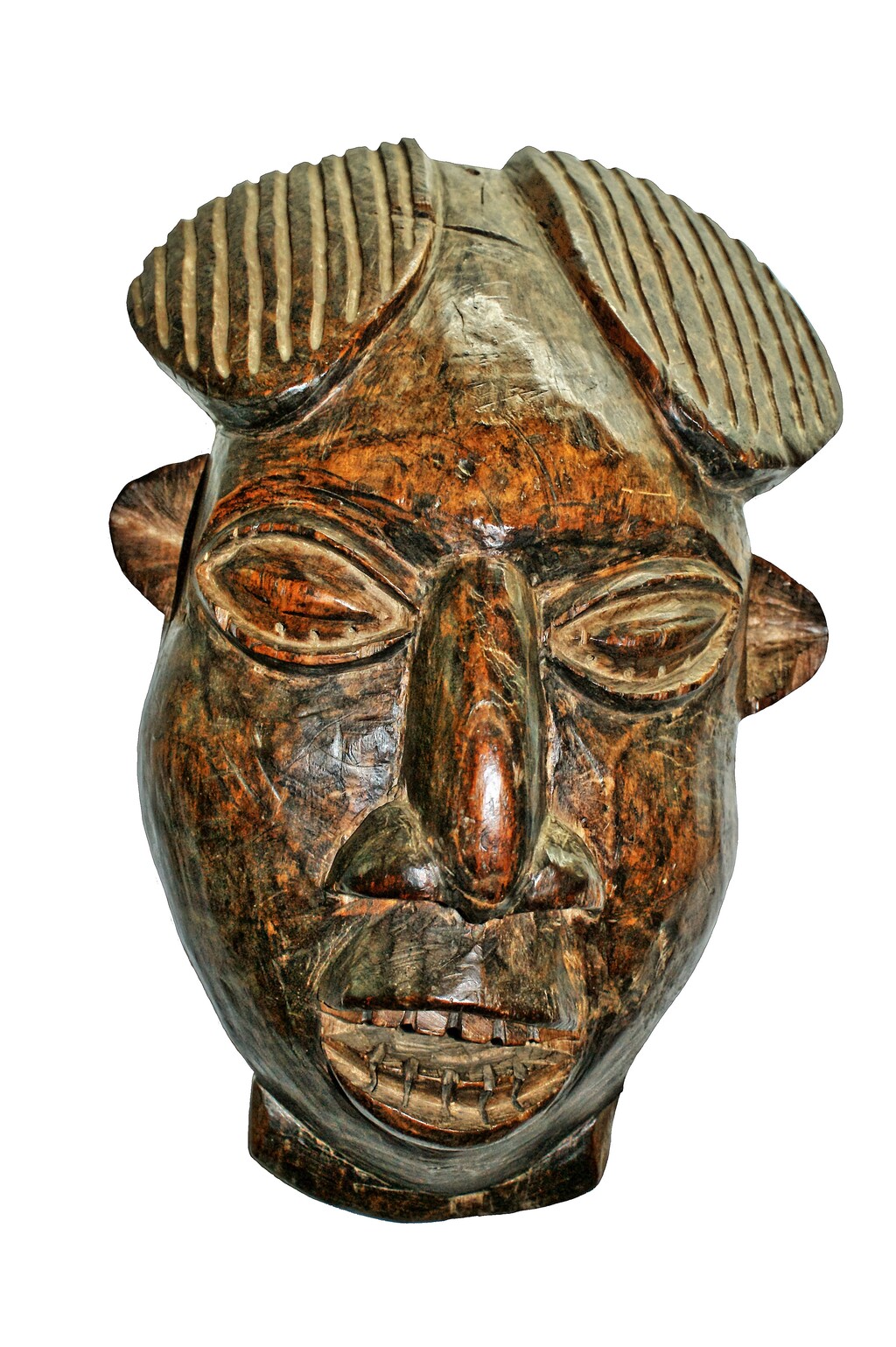
Arts of Senegal Senegal, Museum Senegal Mask
Remo Kurka - "A museum is not only a place where the past is stored. It is a place where stories continue to live."
Senegal is a country with a remarkable historical and cultural depth.
Its museums preserve stories of ancient kingdoms, traditional communities, African creativity, colonial encounters, independence and the continuing evolution of Senegalese identity.
For visitors, museums offer a deeper understanding of the country beyond landscapes and attractions.
They provide context.
They explain the people, traditions and events that shaped modern Senegal.
Why Visit Museums in Senegal?
A visit to Senegal becomes much richer when you understand the stories behind the places.
Museums help visitors explore:
- Ancient African civilisations
- Traditional arts and crafts
- Religious traditions
- Colonial history
- The Atlantic slave trade
- Senegalese independence
- Modern African creativity
They are important knowledge entry points into Senegal's past and present.
Musée Théodore Monod d'Art Africain — Dakar
One of West Africa's Most Important African Art Collections
Located in Dakar, the Musée Théodore Monod d'Art Africain is one of Senegal's most important cultural institutions.
The museum is connected with the former Institut Français d'Afrique Noire (IFAN), an organisation created to study and preserve African cultures.
Its collections include:
- Traditional masks
- Sculptures
- Textiles
- Ceremonial objects
- Everyday cultural items
The museum provides insight into the artistic traditions of different African societies.
It is especially valuable for visitors wanting to understand that African art is not one single tradition, but thousands of different expressions.
Musée des Civilisations Noires — Dakar
Celebrating Africa's Contributions to World Civilisation
The Museum of Black Civilisations opened in Dakar in 2018.
Its mission is to present African history, creativity and contributions to global civilisation.
The museum explores themes including:
- African origins
- Ancient civilisations
- Art
- Science
- Culture
- Diaspora connections
It represents an important cultural statement: Africa's history must be understood from African perspectives as well as through external interpretations.
Maison des Esclaves — Gorée Island
A Place of Memory and Reflection
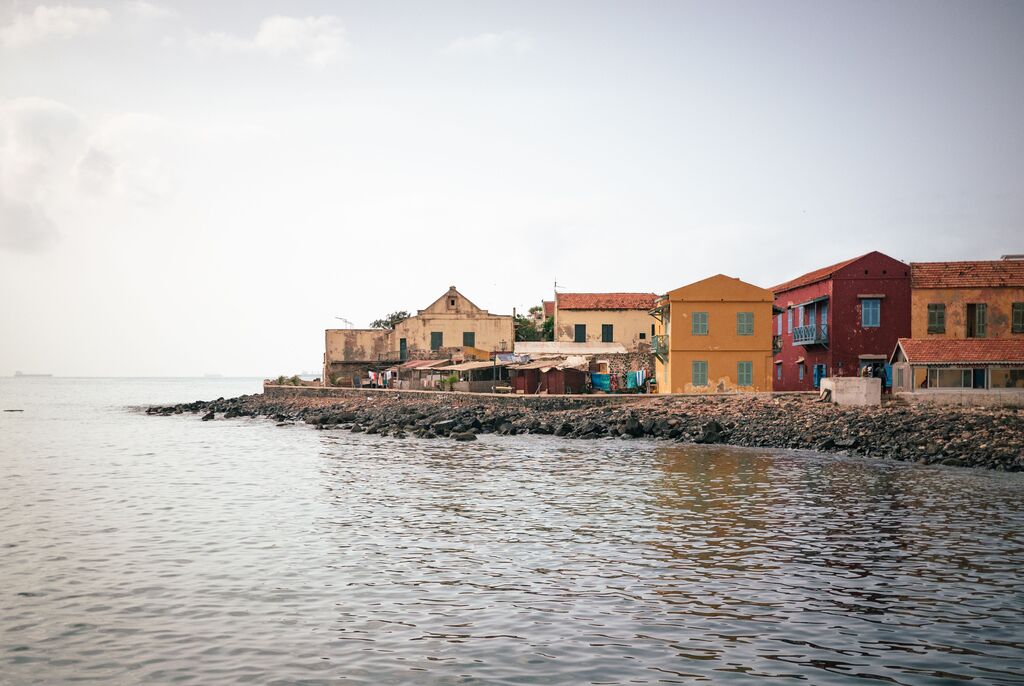
Gorée Island is one of Senegal's most internationally recognised heritage sites.
The Maison des Esclaves (House of Slaves) has become a powerful symbol connected to the history of the Atlantic slave trade.
The site invites visitors to reflect on:
- Human suffering
- Forced migration
- Memory
- The consequences of slavery
The history of the Atlantic slave trade was complex and involved many regions of Africa and the wider Atlantic world.
Large numbers of enslaved Africans departed from ports in present-day Senegal, Ghana, Benin, Nigeria, Angola, Congo and elsewhere.
Gorée today represents remembrance and education.
Musée Historique de Gorée
Located within Gorée Island's historic environment, this museum presents the island's broader history.
Visitors can learn about:
- Pre-colonial history
- European arrival
- Trade networks
- Colonial periods
- The changing role of Gorée
It helps place the island within a wider historical context.
Musée de l'Homme de Toubab Dialaw
Located near the Atlantic coast, this cultural space reflects Senegal's artistic and cultural creativity.
The region around Toubab Dialaw has become known for:
- Dance
- Theatre
- Art
- Cultural exchange
It represents the living side of Senegalese culture.
Musée Jean Mermoz — Saint-Louis
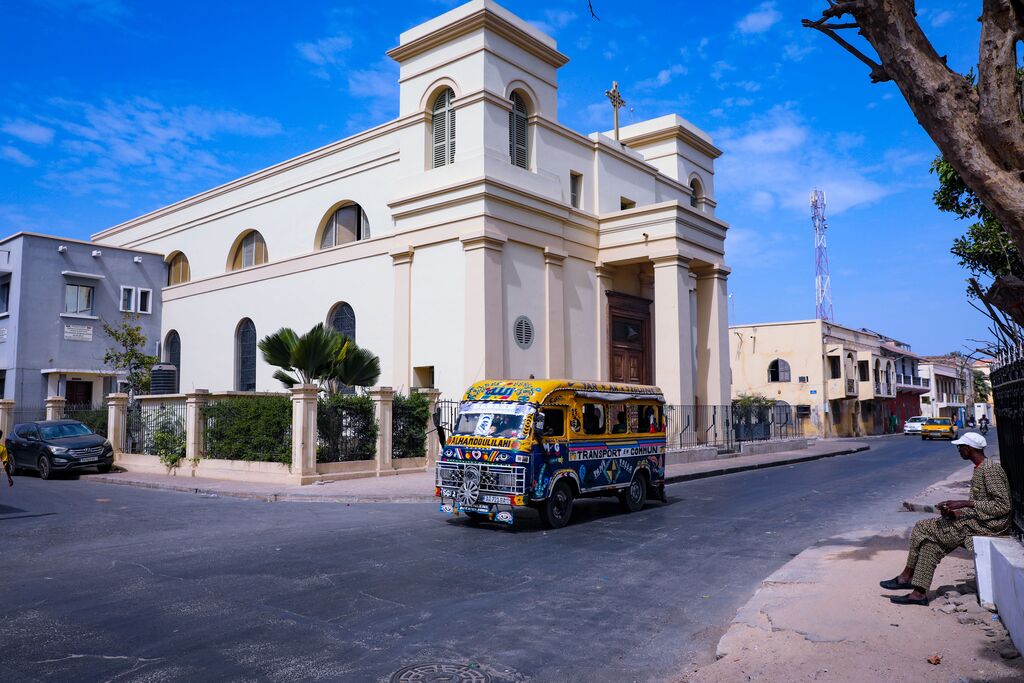
Saint-Louis has a unique place in Senegal's history.
The city was once the capital of French West Africa and remains known for its colonial architecture and cultural heritage.
The Musée Jean Mermoz reflects aspects of:
- Aviation history
- Colonial-era connections
- The history of Saint-Louis
The city itself is often considered a living museum.
Saint-Louis: A City as a Museum
Beyond formal museums, Saint-Louis itself preserves history.
Visitors can discover:
- Colonial architecture
- Historic bridges
- Old neighbourhoods
- Cultural festivals
- Traditional communities
Walking through Saint-Louis is a journey through centuries of Senegalese and West African history.
House of Ousmane Sembène — Dakar
Remembering Senegal's Great Filmmaker
Ousmane Sembène was one of Africa's most influential writers and filmmakers.
His work explored:
- Colonialism
- Social justice
- African identity
- Independence
- Everyday Senegalese life
Spaces dedicated to his legacy help preserve the memory of African cinema and literature.
IFAN Museum Network
The Institut Fondamental d'Afrique Noire (IFAN) has played a major role in documenting African cultures.
Its work includes:
- Research
- Archaeology
- Anthropology
- Heritage preservation
It remains one of the important foundations of cultural knowledge in Senegal.
Museums Beyond Dakar
Although Dakar has many major museums, Senegal's heritage exists throughout the country.
Important cultural experiences can be found in:
- Saint-Louis
- Gorée
- Casamance
- Sine-Saloum
- Eastern Senegal
Many communities preserve traditions through:
- Cultural centres
- Local exhibitions
- Festivals
- Oral history
Museums and Senegalese Identity
Museums in Senegal are not only about the past.
They ask important questions:
- Who tells history?
- How should heritage be preserved?
- How can traditions remain alive?
- How does Africa present itself to the world?
Senegal has often placed culture at the centre of national identity.
Visiting Museums in Senegal: Practical Advice
Opening Hours
Opening times may change, so visitors should check current information before travelling.
Photography
Rules vary.
Always ask before photographing exhibits or people.
Combine Museums With Places
Museums are often best experienced together with:
- Historic neighbourhoods
- Markets
- Monuments
- Local communities
Context makes the experience stronger.
Why Museums Matter
A country is not only its landscapes.
It is also its memories.
Museums allow visitors to discover:
- The achievements of past generations
- The creativity of living cultures
- The struggles that shaped societies
- The stories that continue today
Discover Senegal Through Its Museums
From Dakar to Gorée, from Saint-Louis to cultural centres across the country, Senegal's museums open doors into a fascinating world of history and creativity.
They do not simply preserve objects.
They preserve voices.
They preserve memories.
They preserve the stories of Senegal.
Continue Exploring Senegal
Discover more:
- Understanding Senegal
- History of Senegal
- Gorée Island and Atlantic Memory
- People of Senegal
- Senegalese Culture
- Historic Cities of Senegal
- Travel Guide to Senegal